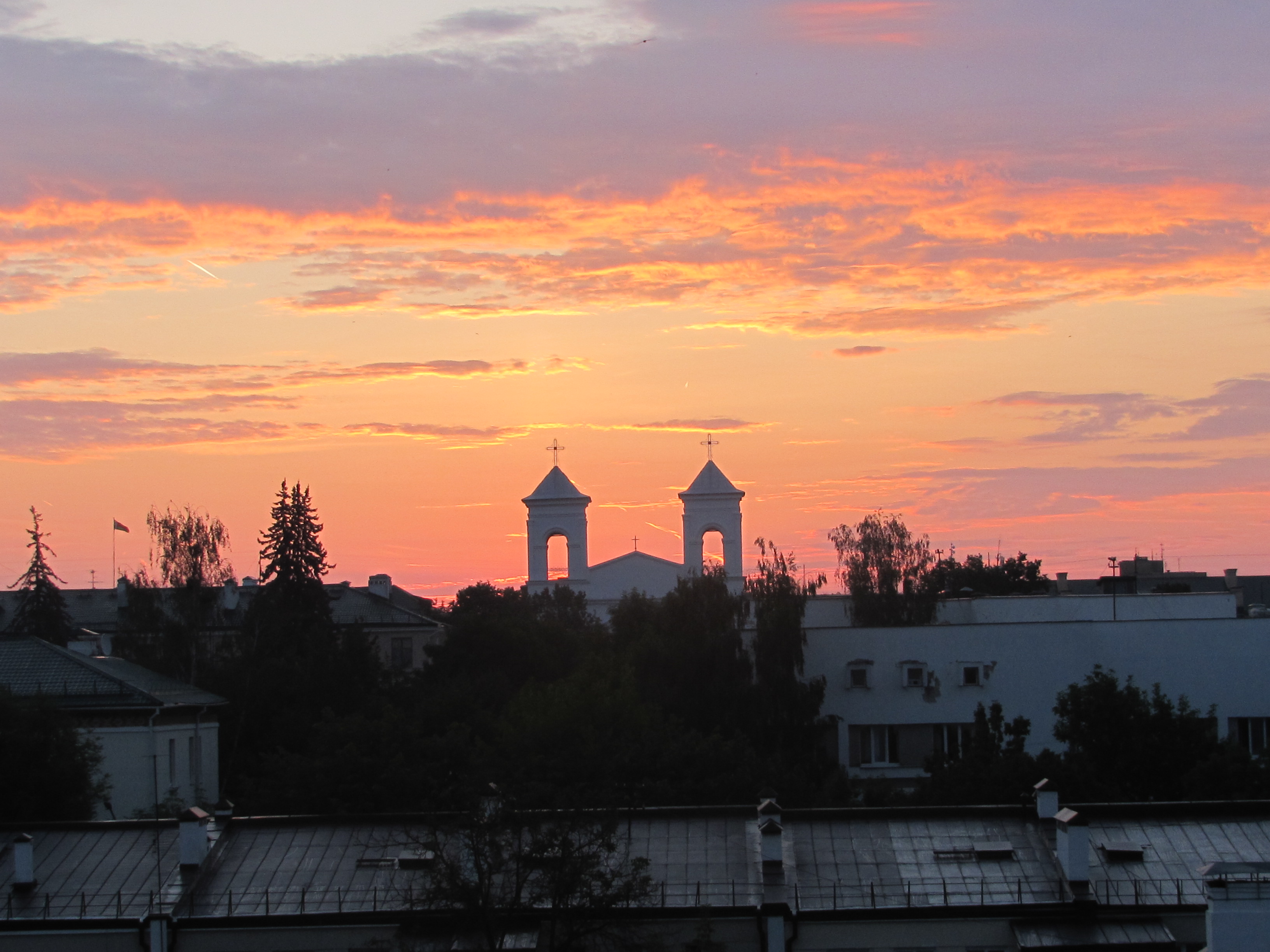
Sunset from our Window

Europe’s Last Primeval Forest

Belovezhskaya Pushcha
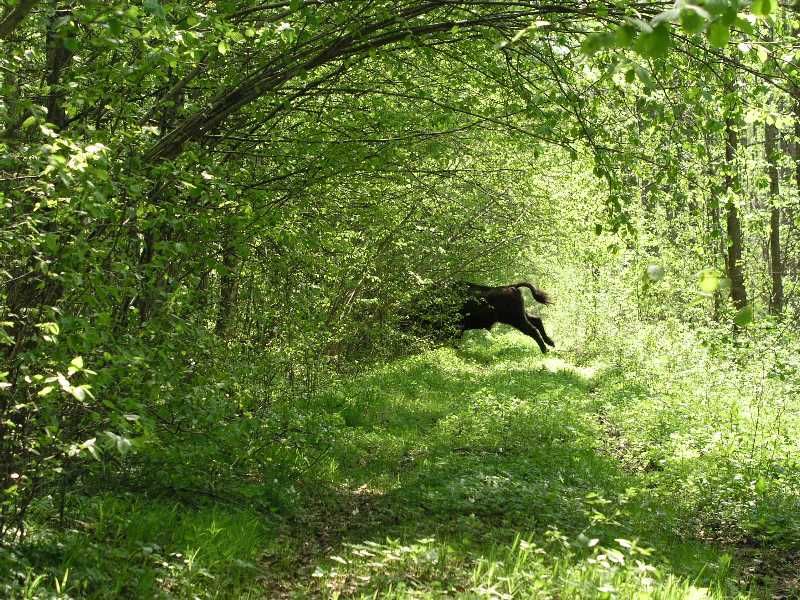

What’s that you say? That is a National Park. Belovezhskaya Pushcha is Europe’s last remnant of a primeval forest. ‘Belo’ means white. ‘Vezha’ means tower. Pushcha is an old Polish word that means primeval forest. It is also a UNESCO World Heritage Site. The coolest thing about this place is that it is the oldest wildlife refuge in Europe.

May I digress? UNESCO stands for United Nations Educational Scientific and Cultural Organization. They will decide what is educational, scientific, or culturally significant and worth preserving. We, the masses, need some group of nameless, faceless people to tell us that. Who are they to tell me what is worth preserving and what is not? I’ll decide for myself. Let’s continue.

Holes Again

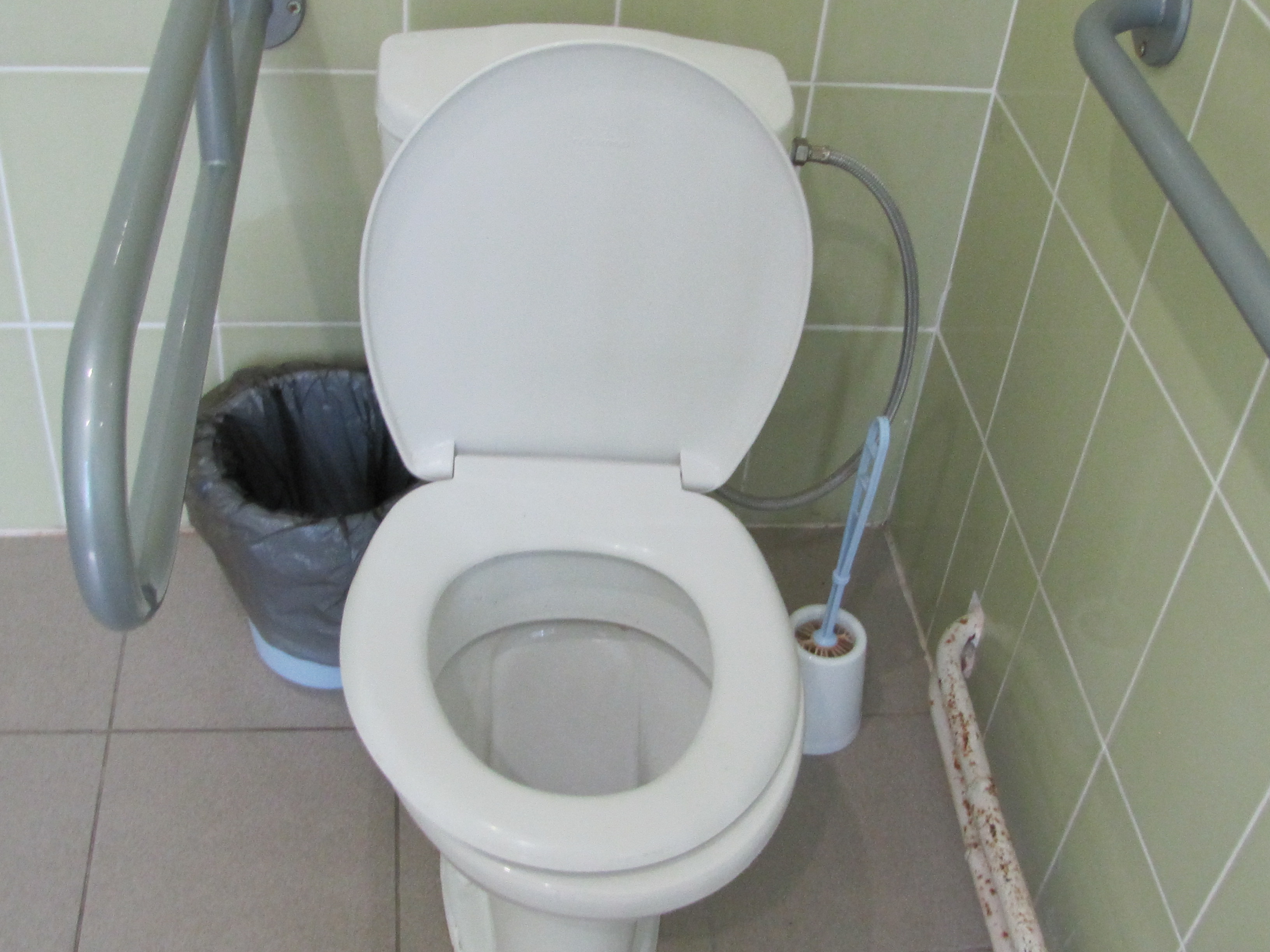
I needed to explain to the staff that my daughter could not use the hole in the ground, Was there anything else available? I asked. By this time Maureen was developing a fear of holes in the ground. They were kind enough to suggest that she use the handicapped restroom.

Let’s pause for thought here. I am smacking myself on the forehead. I never even thought of the infirm or physically challenged patrons. What are THEY supposed to do? Well, I guess they use the handicapped facilities. But, also, if they have the technology to build normal, everyday bathrooms, then why can’t they? Why can’t they do this for the rest of us? Are we not worthy?

Back to the Pushcha

The Pushcha is what remains of a forest that once sprawled from the Baltic Sea to the Bug River. Now it covers 650 square miles. It is near the village of Kamenyuki, 93 miles from Brest. You can take a bus from Brest (see schedule at ticketbus.by.) A Lithuanian prince declared it a nature reserve way back in the 1300s. However, this is apparently bunk. Deforestation was outlawed in 1588. This is also bunk. They are cutting trees as I write this.
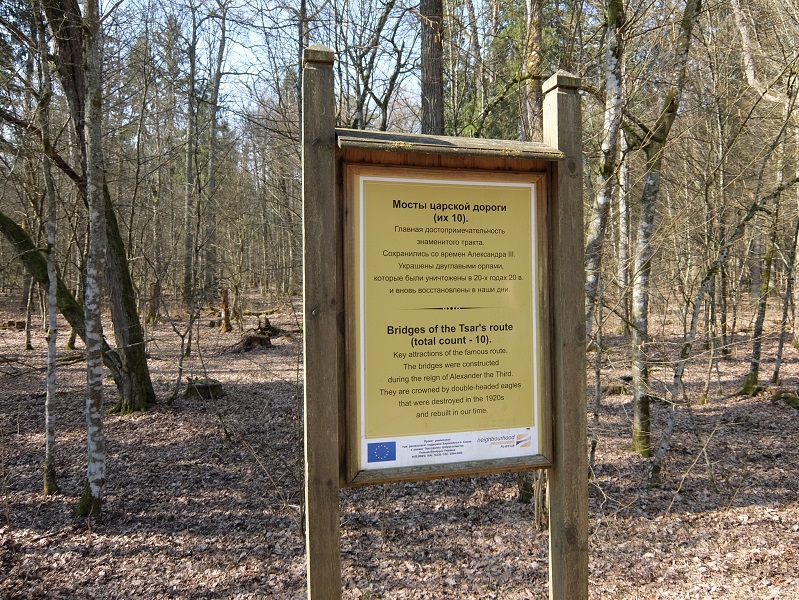
Signage on Royal Path Belovezhskaya Pushcha

In 1795, the forest became part of the Russian Empire and Tsars hunted there. Now, this is true. Most royalty love to hunt except for England’s Edward II. And he died a particularly gruesome death. But, not because he didn’t like to hunt. It’s a wild, sordid story. One I would truly love to tell. But, alas, it doesn’t fit in here so let’s move on, shall we?

A remnant of Tsardom in the forest is on the Royal Path. The cast-iron railing over a small bridge sports a two-headed eagle. It is the symbol of both tsarist Russia and today’s Russia. Poland and Belarus share the forest.
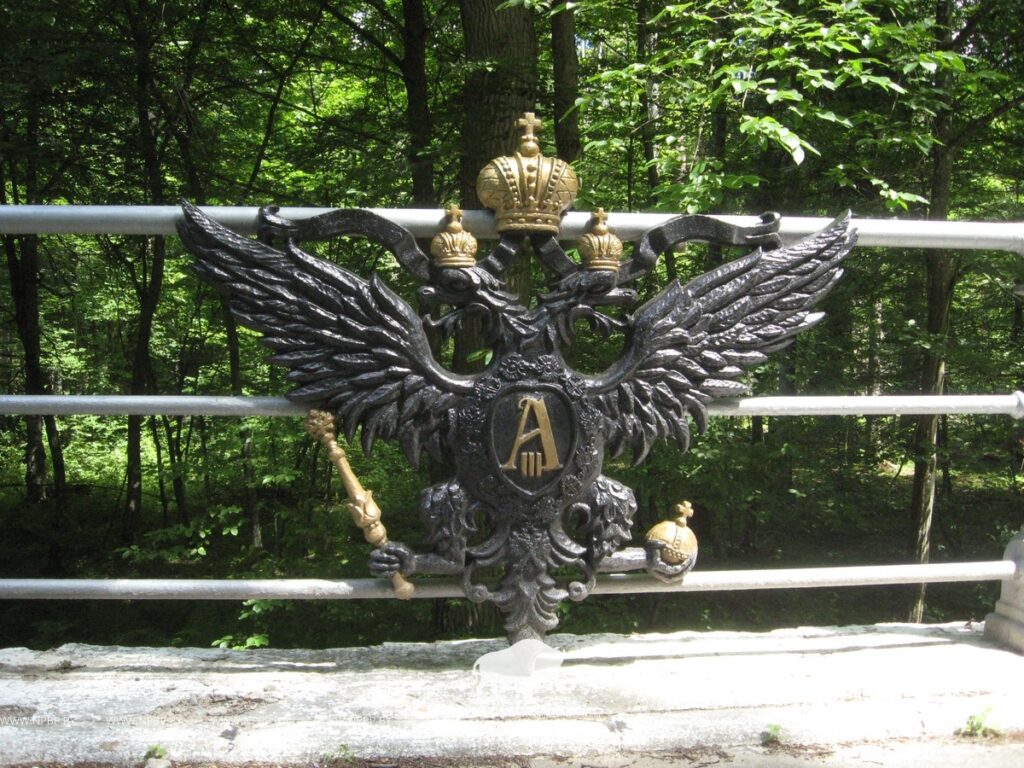
two headed eagle bridge on Royal Path

Before we go any further…

Don’t expect to hop in your car and drive around the park without a good reason and special permission. Most of the forest borders Poland, and people are not allowed near the border. Tourists stick to a designated area. There are two sightseeing buses twice a day. Organized bike groups on approved routes with a guide are available.

If you do rent a bike you get a booklet with a map and points of interest along the way. There are about 6 routes and the longest is 11.8 miles. No one will harass you but make sure you a) bring the bike back on time and, b) don’t linger near the border. There are also some small houses to overnight in. You can go fishing. You can’t camp out though. I read that they have a new route for electric scooters. For the latest go to https://npbp.by/eng/tours/cycle-routes/
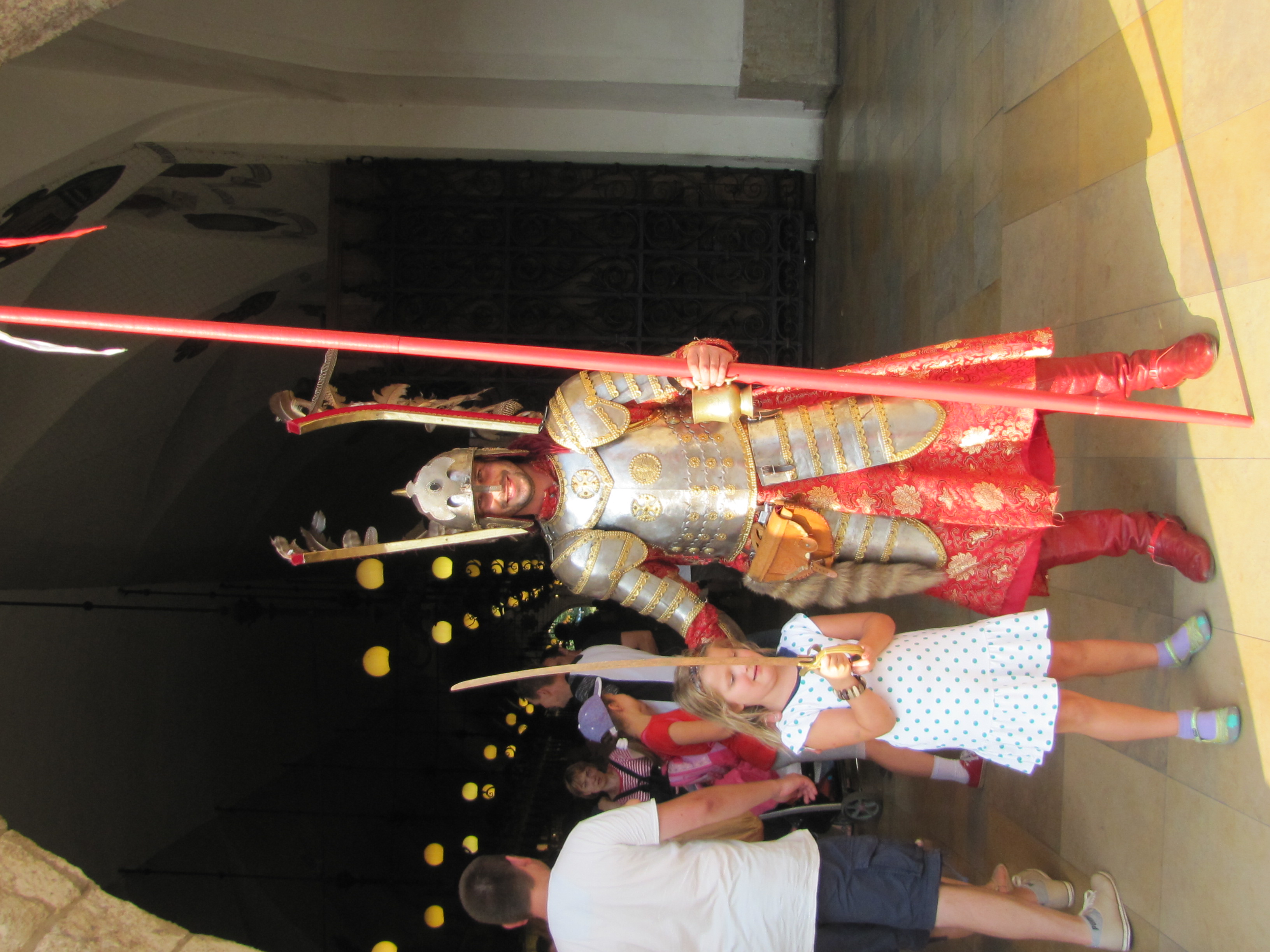
Warrior

Krakow, Polish Athens, Poland

Krakow (Pronounced Krakov) or Bust

I discovered that they have tours in English every hour at Auschwitz. They recommend not to bring children under 14. Yes, of course. What was I thinking? Maureen finally tired of playing x-box with the other kids in the lobby of the hotel. I told her we needed to change our ticket and go to Krakow instead. It’s 3.5 hours from Warsaw, and we would have to share the train car with 6 other people. We’ll see what happens with that.

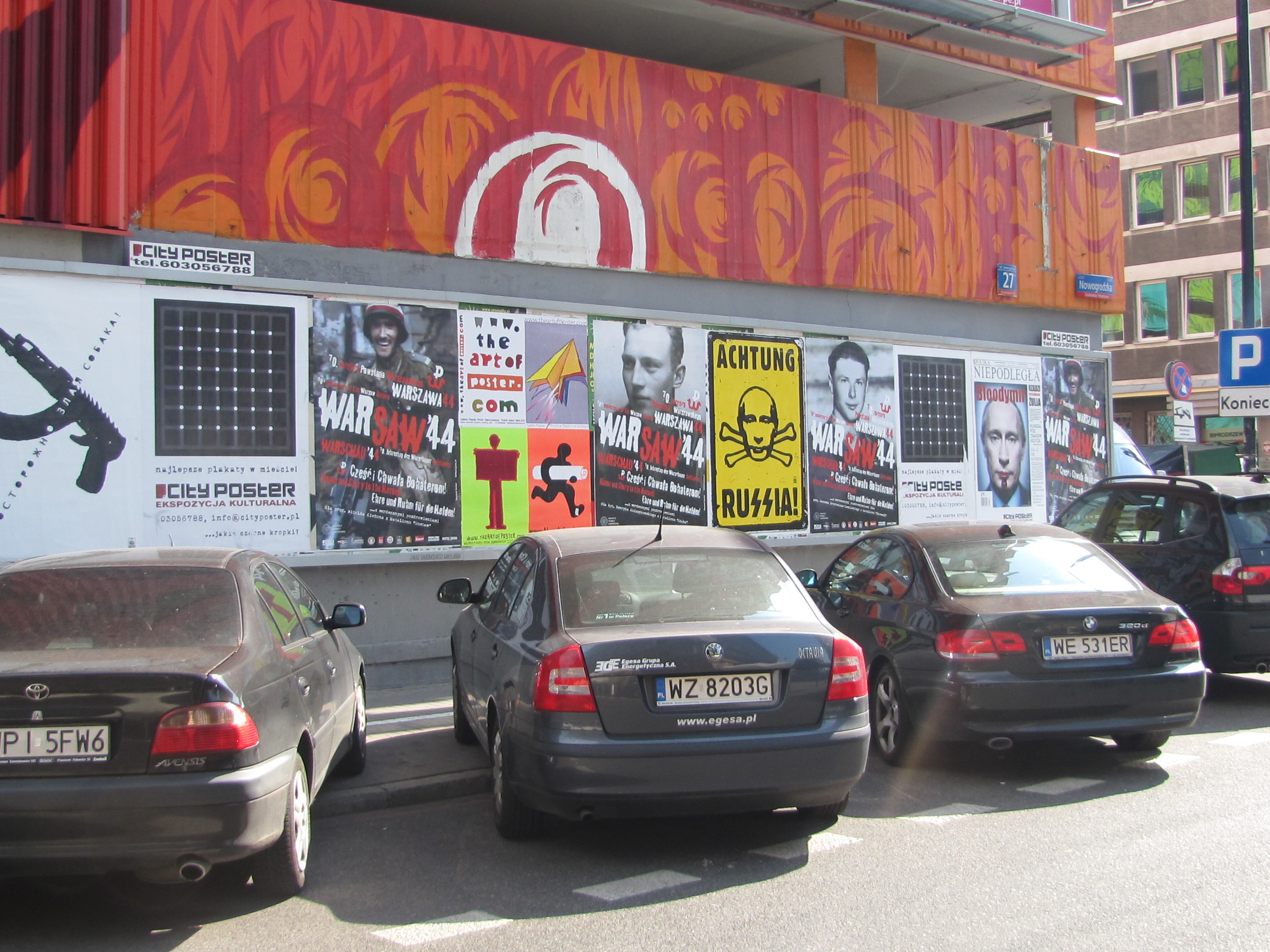
Posters for our Viewing Pleasure

We ate Shwarma in the alley behind the Egyptian place and then walked to the train station. I must say, doesn’t seem to be any Pro-Putinites in this neck of the woods. I wonder why?

Posters in Context

wall of posters warsaw poland

Street Scene near the Train Station

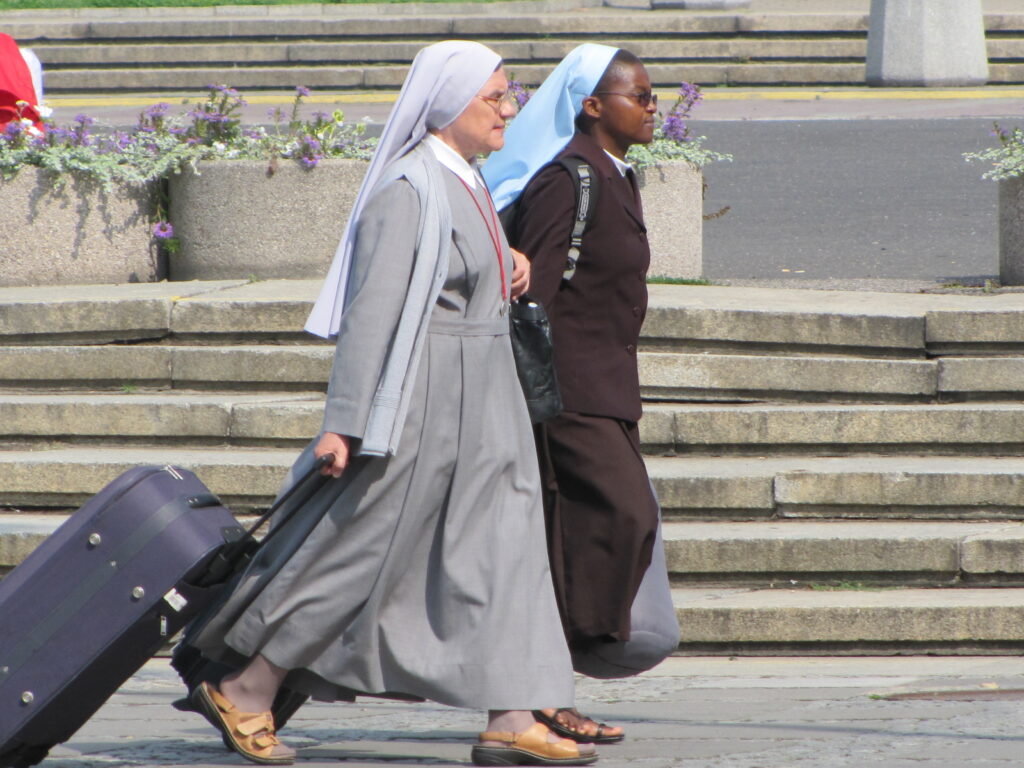
Nuns walking street scene Warsaw

Lost in a Labyrinth

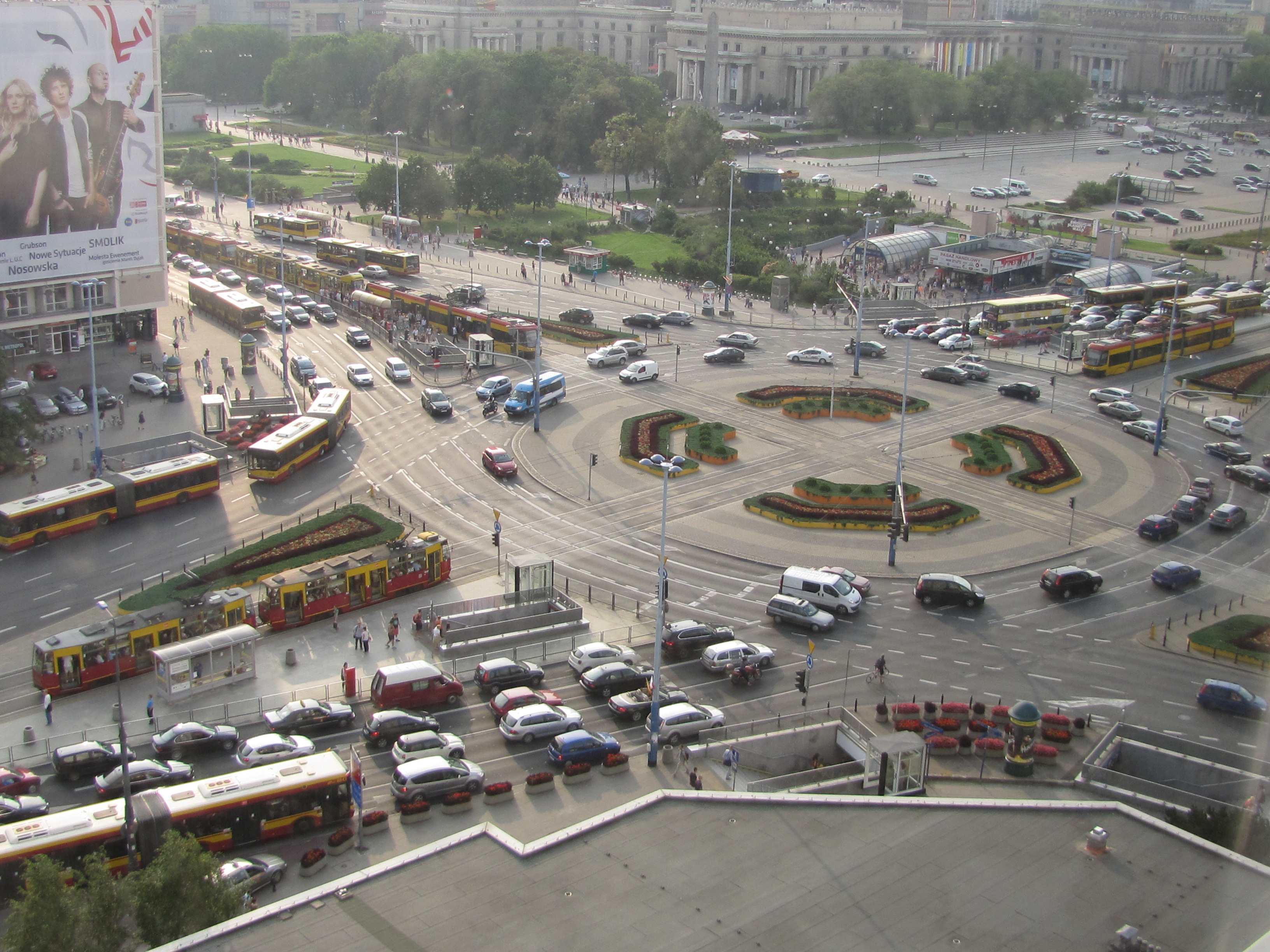
We got lost in this labyrinth coming back from the train station. Try not to get lost in a labyrinth. I took this picture of the roundabout on Marshall Square from our hotel window. I stared at that a few times before making a break for it.

Major intersection Warsaw Poland

Subterranean Blues

As you can see it is a daunting task to try and navigate this thing on foot overland with a child. But, it is possible. And once you cross this roundabout, you can see the station. It helped to keep the train station in view to reach it.


On the return trip underground, we ended up far from our hotel. So we dove back under many times. We resurfaced every so often to look around. We kept this up until, lo and behold, we popped up at the Novotel. I felt like a groundhog. It was worth it though. I bought a few beautiful calendars. It’s full of kiosks down there.

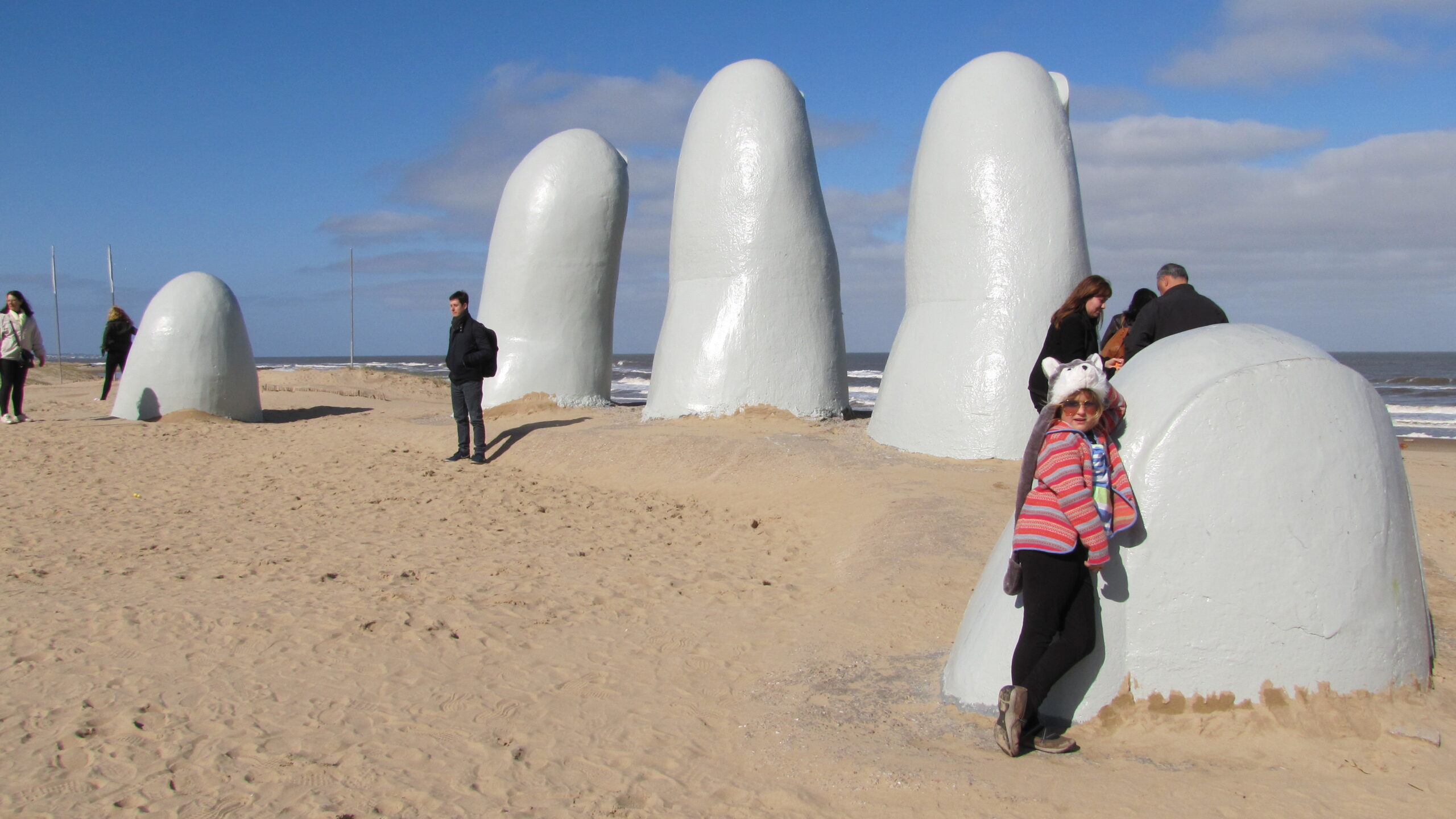
The Hand

Punta del Este, Uruguay, the Hamptons of South America

“Punta del Este is the only place in the world where I can go out without a bodyguard.”

Heiress Athina Onassis

Arriving in Punta del Este, Uruguay

It’s definitely a plus not to need a bodyguard, but it isn’t why we went to Punta del Este. Although, it is a testament to how safe the town is. Maureen is State Sparring Champion two years in a row. She missed three years in a row by one point. And she went down to Punta to beat the pantaloons off little girls her own age. It took nine hours and forty-five minutes to Buenos Aires from Atlanta. Our connecting flight to Montevideo was late because there were not enough people to take it. While waiting, we watched the martial artists in action.

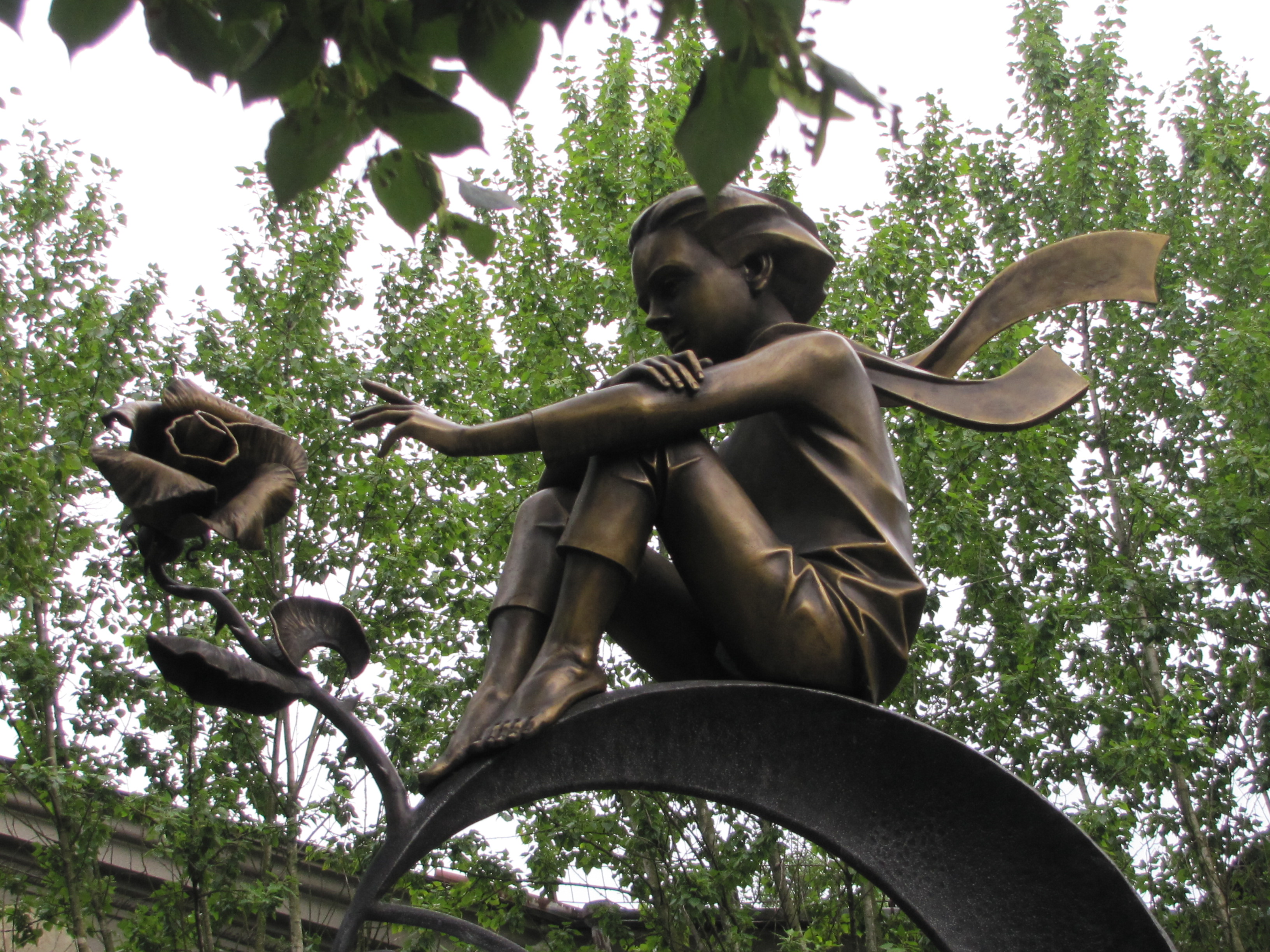
The Little Prince statue header image

Babes in Belarus

Please note that citizens of Belarus cannot access this website. I had to email each page to my people in Brest. And this is just a travel blog that they are not allowed to see.

(But first, a few days in Warsaw)

On our way over to Brest Belarus, we had front-row seats to a medical emergency. The guy sitting directly in front of Moe was dizzy and sweating and then he fainted. The pilot made an announcement requesting doctors on board to please assist. Fifteen minutes later, two women showed up. One was a nurse. Then FORTY minutes later a German cardiologist appeared. They laid him down in the four seats in front of us, kicking everybody out, and congregated around my head for over an hour discussing the whole thing.

This gentleman turned out to be 40 years old, on his way from Mexico to New Delhi via Houston, and he didn’t drink or eat anything for four days because he did not like the food and water in Mexico. I mention this because I couldn’t read or watch a movie for over an hour.

Moe and I are at the Radisson Blu Hotel in downtown Warsaw. Maureen is rooting for Belgium in the Soccer Cup. It’s in Polish. Sponge Bob was in German. Earlier she was sitting out in the hall for something to do and eating ice out of the ice bucket. I heard a woman say, “Why don’t you change the channel?” She came in shortly after that. I mean Maureen, not the woman.

Warsaw Destroyed and Rebuilt

“It is decisive to completely destroy Warsaw”

Heinz Guderian, German general

The “old downtown” has been painstakingly and lovingly rebuilt.

Warsaw is a lot more modern than I thought it would be. There are still Soviet-style apartment buildings everywhere, just like in Budapest, but more new buildings are going up. There are also more old parts of Budapest because it was not bombed to smithereens. Warsaw was not destroyed by planes dropping bombs on it during World War II. Warsaw was leveled to the ground by Nazi engineers who methodically placed explosives in every building.

The Church of All Saints
The Church of All Saints was damaged in the Warsaw Ghetto uprising and the Warsaw uprising in 1943 and 1944

Wartime Haven

This church in downtown Warsaw was located in the Warsaw (Jewish) Ghetto during World War II. The 75-year-old priest at the time, Marceli Godlewski, did not like Jewish people. However, when he realized German forces were murdering Jews, he did everything he could to help them. His priests hid Jewish children, smuggled in food and drugs, fed the starving inhabitants, and smuggled people out. He saved between 1 to 3,000 Jewish people. He is recognized as one of the “Righteous among Nations” by Israel.

This image has an empty alt attribute; its file name is img_6036-1.jpg
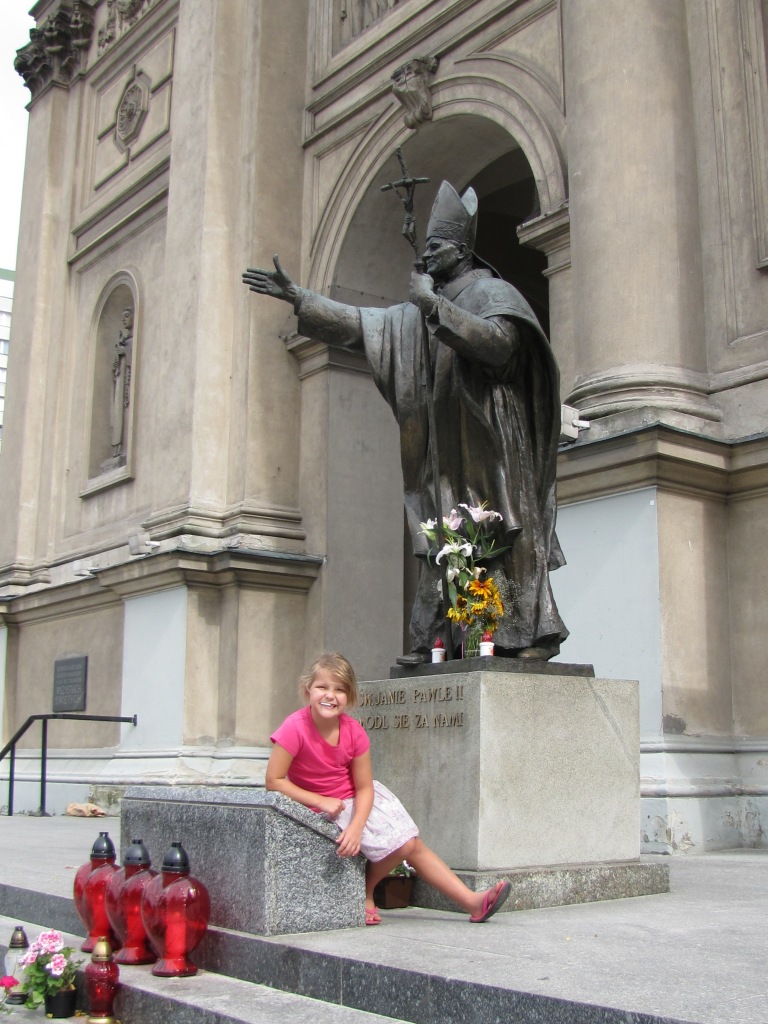
Maureen with Pope John Paul II at The Church of All Saints
error: Content is protected !!